Enhancing Your TTRPG with AI: Collaborating Beyond the Spotlight
In tabletop role-playing games (TTRPGs), there’s opportunity in the moments when players step out of the spotlight. What if those in-between times could be used to make the game even richer? With the recent surge of AI tools, you can contribute creatively on the fly, turning downtime into a powerful opportunity to enhance the adventure for everyone at the table. No more hours of preparation — just real-time creativity that makes an impact.
Here are some ways you can use AI during your downtime to elevate the game. Some of them we actively used in two different campaigns: one in a Cairn campaign (Neverland setting, that Neverland with Peter Pan and Captain Hook), and another one in a running City of Mist Campaign about human and animal hybrids.
Create NPCs on the Fly
Not every tavern patron or bustling market merchant needs a backstory prepared in advance. When your party arrives at a new place, use AI to help the GM by generating NPCs that are likely to be found in the current setting. Think of patrons in a tavern, merchants, guild members, or beggars in a city, or perhaps farmers and the blacksmith in that backwater village. AI tools like ChatGPT can provide the names, quirks, and general mood of these NPCs in seconds, adding flavor and making the world feel alive without slowing down the game. Leave any ulterior motivations or deeper secrets to the GM — you’re just setting the stage for rich storytelling possibilities.
Create NPC Portraits and Scene Visuals
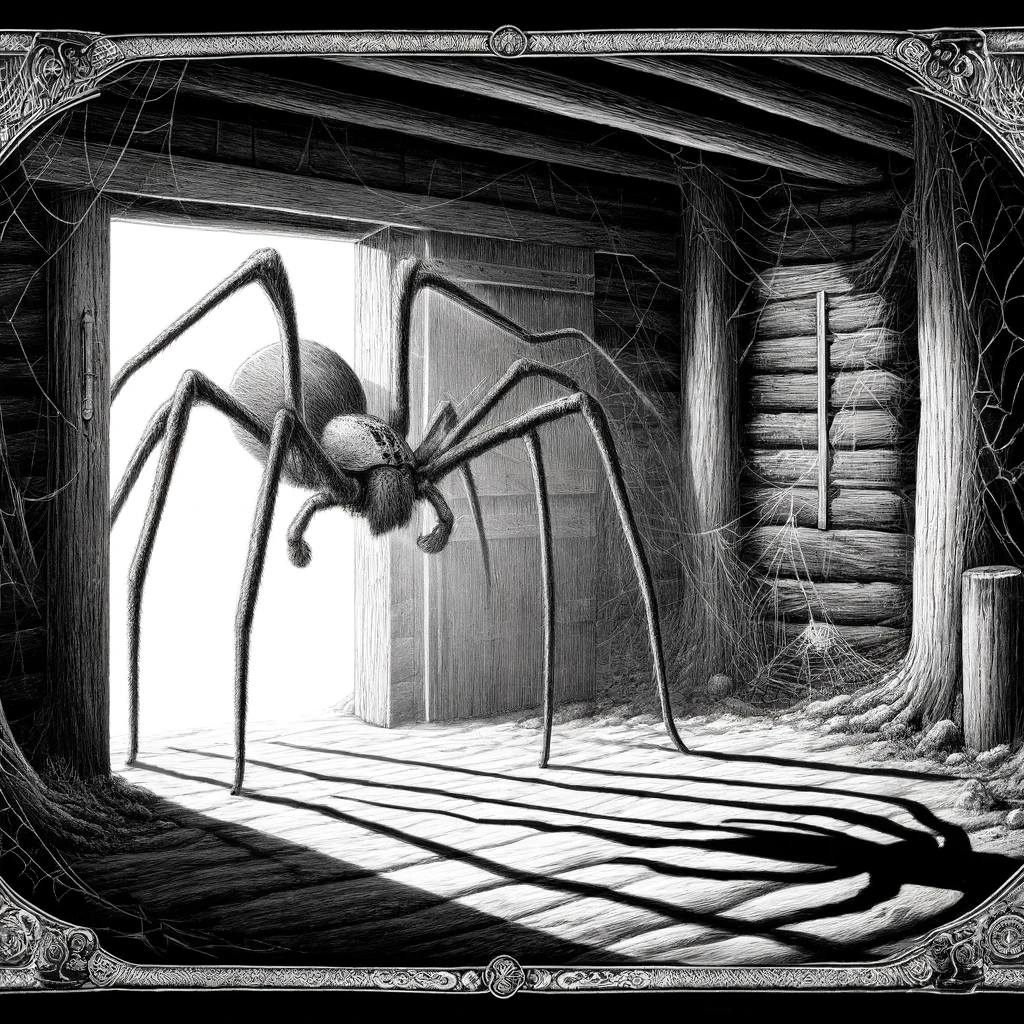
Visuals add depth to any TTRPG experience, but they can be challenging to create on the fly. Players can also use the text created in the point above to quickly create NPC images. A few tweaks to the prompt might be needed to cue the AI for the right setting, but that could be a preamble you reuse for all requests for image generation. With AI tools like Bing Notebook, ChatGPT, or Leonardo.ai, you can quickly generate portraits of sly merchants or bustling marketplaces. Instead of spending hours drawing or searching for the perfect image, you can bring a character or scene to life in minutes, keeping everyone immersed in the story. When another player is in the spotlight, use the time to add a visual flourish to the session — it’s like giving the story a face that everyone can see.
Curate Thematic Playlists with Watch2Gether
Music is the unsung hero of TTRPG sessions. Picture your party exploring a dark, eerie forest — and in the background, a haunting melody starts playing, setting the mood perfectly. With Watch2Gether, you can sync music in real time, choosing tracks that match the game’s current tension or triumph. Forget about hours of playlist preparation; with YouTube at your disposal, you can curate the perfect soundtrack while waiting for your next turn, keeping the game’s atmosphere dynamic and engaging.
While this is not really about AI, it’s still a great activity for when you are not in the spotlight.
Here’s an example of the list in our City of Mist campaign: https://w2g.tv/?r=qtwkovfss8a9cn20zi
Generate Maps for Unplanned Encounters
When the party ventures into unexpected territory or faces unplanned combat, the GM might not have a map ready. You can use your downtime to create quick, functional maps with AI tools or basic drawing software. Whether it’s a village layout or a simple combat grid, AI-assisted maps take just minutes to make, ensuring the action keeps moving. Imagine the excitement of revealing a new battlefield just as the fight begins — all thanks to your quick creative boost.
Compose Custom Music with AI Tools
Feeling musical? Platforms like Suno or Udio let you compose original tunes in real time. Want to add a haunting melody to a cursed location or an uplifting theme for a heroic victory? AI makes it easy to create a unique soundtrack on the fly. The beauty is in the immediacy — you’re not spending hours composing music, but rather enhancing the session with melodies that feel perfectly suited to the moment.
Here are examples of things I tried for the City of Mist Campain (we didn’t use them, but it was cool nonetheless).
- https://suno.com/song/443e5d1f-c5b2-4423-a290-22ec7274106d
- https://suno.com/song/9e7c9333-3763-4ad0-8ba6-ef28c3130158
And these were for our Neverland Campaign (lyrics in Portuguese):
- https://suno.com/song/39641b33-20f6-402d-8789-08eb2ad4c8f3
- https://suno.com/song/0b3755d0-72fb-4f07-9689-4f522182da24
Generate Scene Narrations to Forecast the Scene
When the party is traveling to a new place or preparing to meet someone significant, take advantage of downtime to create a descriptive narration of the upcoming scene. Using AI tools like ChatGPT or Claude, you can generate a vivid forecast of the setting in the voice of a random NPC or as an incorporeal “narrator” akin to a documentary. This narration can be transformed into a voice using tools like ElevenLabs for added immersion. Building the narration slightly in advance will make it ready for when the scene starts, setting the tone and building anticipation, giving players a sense of what’s to come while immersing them in the story’s atmosphere. Whether it’s the bustling market they’re about to enter or the ominous forest they’re approaching, these descriptions add depth and excitement, enhancing the shared experience.
Balancing Collaboration and Focus
The true magic of TTRPGs lies in collaboration — not just between players and the GM, but among players themselves. Traditionally, creating narrations, NPCs, music, maps, or speeches required hours of prep time, but AI makes it possible to craft “good enough” content in real time. By contributing in these ways, you’re not just waiting for your turn — you’re enriching the game for everyone.
Next time you’re out of the spotlight, consider how you can add to the story. Whether it’s through AI-generated dialogue, music, visuals, or maps, you have the power to make the adventure deeper and more memorable for everyone at the table. With a little creativity and the right tools, the game doesn’t just flow — it soars.
However, these activities are perfect for filling the downtime when your character is not actively in the scene. It’s important not to get too immersed in these creative tasks and forget to actually play the game. Some scenes are significant even when your character is not present, so make sure you stay attentive and engaged to avoid missing key moments.
(Disclaimer: This blog post was written by a centaur)